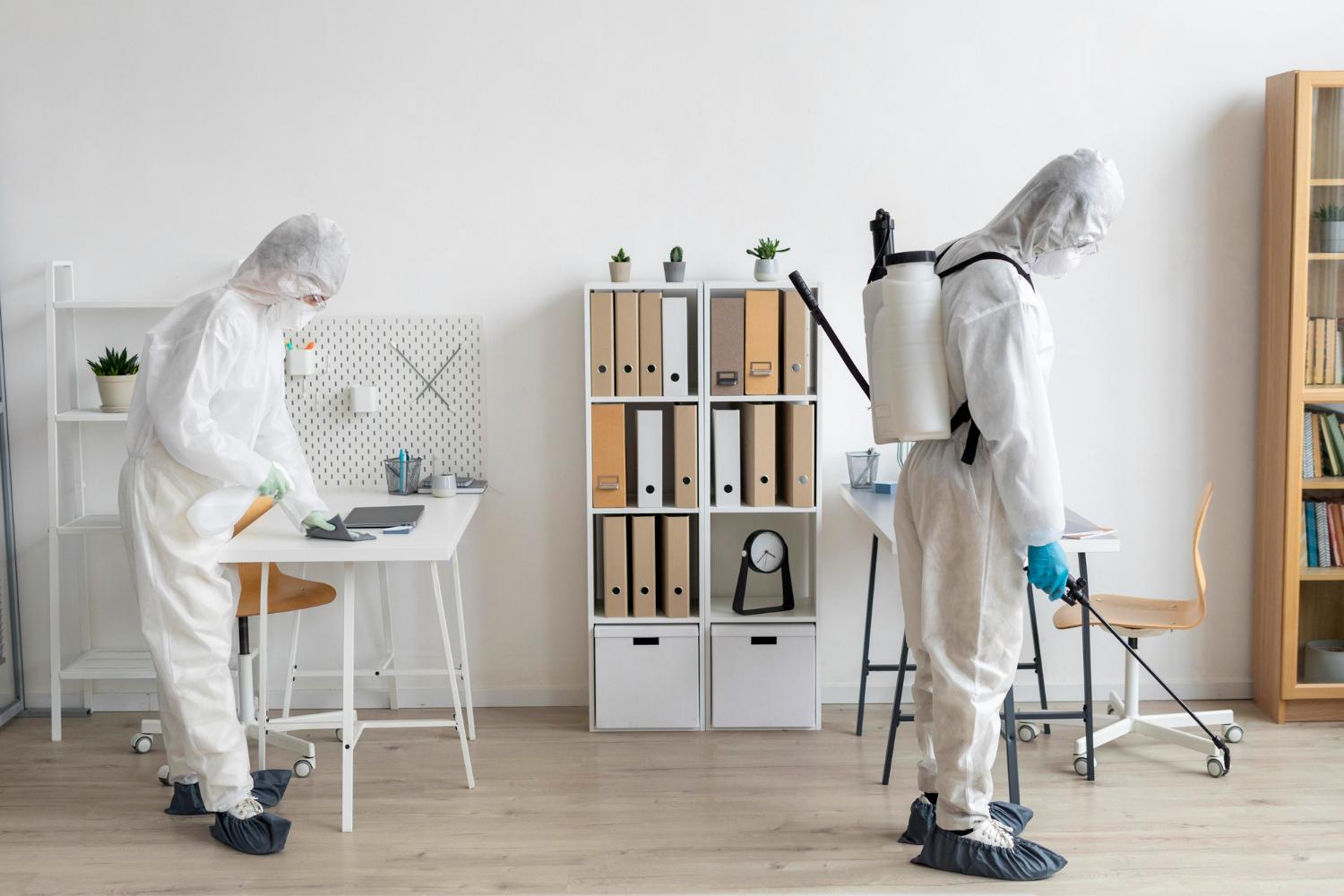
Why Every Business Needs a Real Pest Management Plan (Not Just a Quick Spray)
Here’s a hard truth most business owners learn the messy way: pests don’t care if your building’s brand new, your floors are spotless, or your reviews are five stars. They show up where food, warmth, and shelter exist—and that’s basically every workplace on earth. The good news? Pest management isn’t just about reacting anymore. It’s about prevention, consistency, and data-driven control.
And if you’re running a café, warehouse, or healthcare facility, then _commercial pest management_ isn’t optional. It’s compliance. It’s safety. It’s reputation insurance.
A Spray Is Not a Strategy
Most people think pest control equals one guy with a can of chemicals. That might work short-term, but true _pest management_ is a continuous process. It’s inspection, identification, monitoring, treatment, and review—on repeat.
Think of it like cleaning: you wouldn’t vacuum once and call it done for the year, right? Same logic here.
In the commercial world, it’s even more crucial. Food businesses, schools, hotels, and medical facilities are subject to health inspections. One failed visit because of a rodent sighting or cockroach trail can mean temporary closure or fines.
That’s why professional _commercial pest management_ programs are structured, documented, and proactive rather than reactive.
What Makes Commercial Pest Work Different?
Commercial environments are complex. You’re not dealing with just one kitchen or a few bins—you’ve got multiple access points, deliveries, staff traffic, and long operating hours. Pests adapt to that.
A proper _commercial pest management_ plan includes:
- Scheduled inspections and risk assessments
- Detailed reporting for compliance
- Targeted treatments for your industry
- Non-disruptive servicing (so your operations don’t pause)
- Digital tracking for recurring pest activity
It’s systematic—less guesswork, more control.
Why Prevention Saves You Money (and Your Reputation)
Waiting until you see pests is already too late. Once they’re visible, they’ve been breeding for weeks. A steady _pest management_ plan stops infestations before they start, which means:
- Less product contamination
- No panic calls during service hours
- Fewer customer complaints
- Reduced long-term treatment costs
It’s one of those areas where prevention actually costs less than reaction.
Industry Standards and Legal Requirements
Many industries, especially food, healthcare, and hospitality, are bound by specific hygiene and safety codes. Failing a hygiene audit can trigger mandatory shutdowns. A detailed _commercial pest management_ record not only keeps you compliant but also shows due diligence if regulators ever come knocking.
Plus, insurance companies love documentation—it proves you’ve taken every reasonable step to protect your assets.
The Modern Shift: Smarter, Safer, More Transparent
The newer generation of pest control operators are less about chemicals, more about strategy. They use digital monitoring, remote sensors, bait stations with data feedback, and environmentally responsible solutions. So _pest management_ today is cleaner, greener, and smarter than it used to be.
The Takeaway
If you’re running a business, your building is part of your brand. And nothing wrecks credibility faster than a pest sighting. Regular commercial pest management isn’t just a hygiene requirement—it’s brand protection, cost control, and peace of mind rolled into one.
In short, stop thinking of pest control as a reaction to a problem. Think of it as a system that makes sure the problem never happens in the first place.