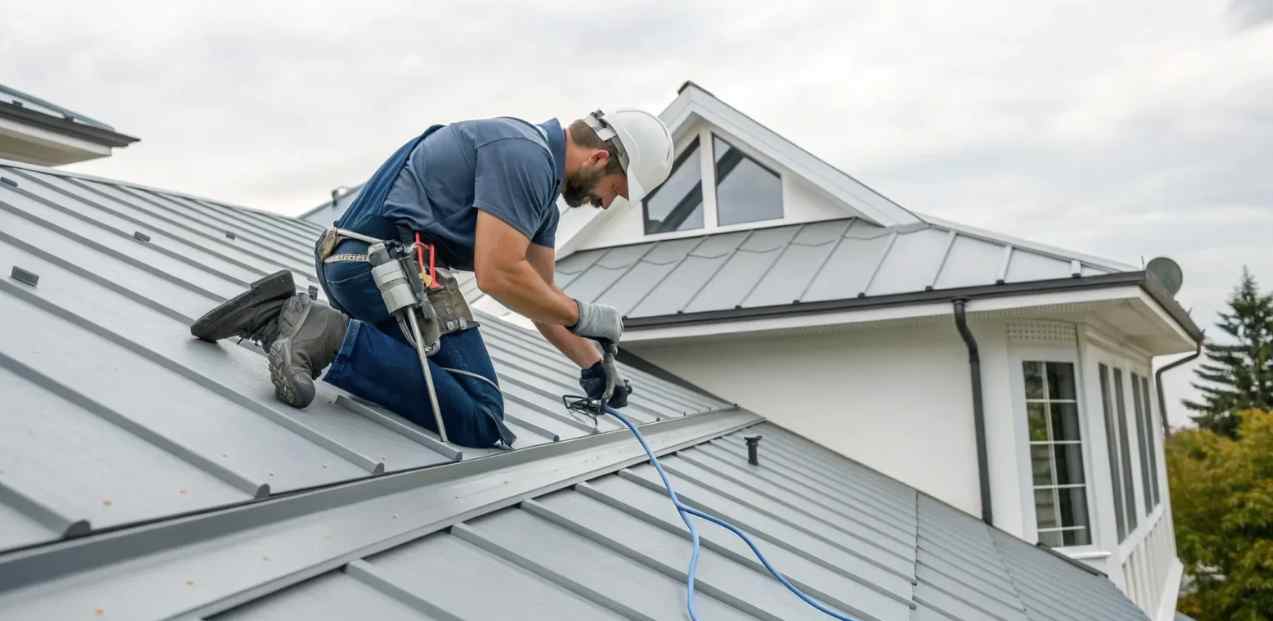
The Homeowner’s Complete Practical Guide to Metal Roof Maintenance and Longevity
Installing a metal roof is one of the most durable investments a property owner can make. Designed to withstand severe weather, intense ultraviolet radiation, and thermal expansion, metal roofing systems regularly outperform traditional asphalt shingles by decades. However, even the most durable building materials require consistent care to maintain their structural integrity and weather resistance over time.
Understanding proper maintenance techniques ensures your roof stays leak-free and visually appealing for its entire lifespan. Insights from region-specific building resources like Window Pro Tx emphasize that aggressive sunlight, sudden temperature drops, and strong winds can accelerate wear on fasteners and sealants if left unchecked. By establishing a routine inspection and care schedule, you can catch minor issues before they turn into costly structural repairs.
1. Understanding How Weather Affects Metal Roofs
Metal panels naturally expand when heated by the sun and contract as temperatures drop at night. This process, known as thermal movement, puts continuous stress on the points where your roof connects to the underlying structure.
- Fastener Fatigue: Over several years, thermal expansion can cause exposed screws and washers to back out or loosen slightly, creating small gaps where moisture can seep through.
- Sealant Degradation: The sealant applied around chimneys, skylights, and vents eventually dries out under intense sun exposure, making regular touch-ups necessary.
- Surface Scratches: Debris carried by high winds can scrape protective coatings, exposing the underlying metal to potential oxidation.
2. Essential Biannual Inspection Checklist
Checking your roof twice a year—ideally in early spring and late autumn—allows you to catch surface wear early. Safety should always come first; perform inspections from the ground using binoculars whenever possible, or hire a professional for steep or multi-story structures.
Visual Checks from Ground Level
Look closely at the ridge caps and edge trims. Ensure no flashing has pulled away from wall intersections or chimney bases. Scan panel surfaces for signs of chalking, fading, or minor scratches caused by tree branches.
Inspecting Fasteners and Overlaps
If safely inspecting panel seams, verify that rubber washer seals around exposed screws remain flexible and intact. Dry, cracked washer gaskets should be replaced to prevent micro-leaks during heavy rainfall.
3. How to Clean Metal Panels Correctly
Dirt, organic debris, and airborne pollutants can collect on metal panel surfaces. Over time, trapped dirt holds moisture against the finish, which can cause finish deterioration. Cleaning your roof every few years keeps it looking new and performing at its peak.
- Clear Debris: Use a soft-bristled broom or leaf blower to clear leaves, twigs, and pine needles from valleys and gutters.
- Apply a Mild Solution: Mix mild dish soap or household detergent with warm water. Avoid abrasive cleaners, wire brushes, or harsh industrial solvents, which can scratch protective paint layers.
- Rinse Thoroughly: Spray the panels from top to bottom with a standard garden hose. If using a pressure washer, keep it on a low setting (under 1,200 PSI) and maintain a distance of at least two feet from the surface to protect factory coatings.
4. Managing Tree Overhangs and Gutter Drainage
Exterior vegetation poses a direct threat to any roofing surface. Branches rubbing against metal panels continuously strip away protective finishes, while falling leaves clog drainage pathways.
- Trim Overhanging Branches: Keep tree limbs trimmed at least six to ten feet away from the roofline to limit shade, debris accumulation, and animal access.
- Keep Valleys Clear: Roof valleys channel large volumes of runoff water. Ensure these channels remain free of pine needles and twigs so water flows directly into gutters without backing up under panel laps.
- Maintain Gutters and Downspouts: Clean gutters ensure water drains away rapidly. Stagnant water around eave edges increases the likelihood of moisture entering fascia boards.
5. Preventing Galvanic Corrosion
Galvanic corrosion occurs when two dissimilar metals come into contact in the presence of moisture. This chemical reaction accelerates rust and degrades panel integrity quickly.
- Avoid placing copper pipes or equipment directly against steel or aluminum panels.
- Ensure runoff water from copper piping or pressure-treated wood does not drain directly onto metal roofing sheets.
- Use non-conductive rubber or plastic isolation washers whenever attaching secondary fixtures like snow guards or solar panel mounts.
6. When to Call a Roofing Professional
While routine cleaning and ground-level visual checks are easy DIY tasks, certain maintenance procedures require professional equipment and specialized training.
- Structural Flashing Repairs: Resealing complex roof valleys, dormers, and chimney flashings requires specialized roof sealants and careful application.
- Severe Storm Damage Assessment: Following major hail or severe windstorms, an experienced contractor can identify subtle structural shifts or fastener looseness that might not be visible from the ground.
- Panel Replacement: If a section of metal panel sustains heavy impact damage, replacing individual sheets without compromising the surrounding interlocking seams requires professional expertise.
By following a clear maintenance schedule, clearing debris promptly, and addressing minor surface wear early, you ensure your metal roof delivers maximum energy efficiency and protection for decades to come.